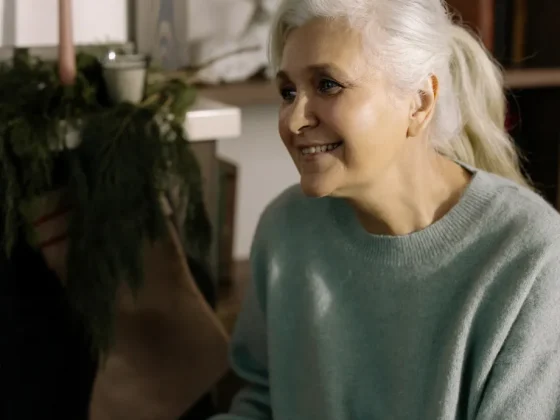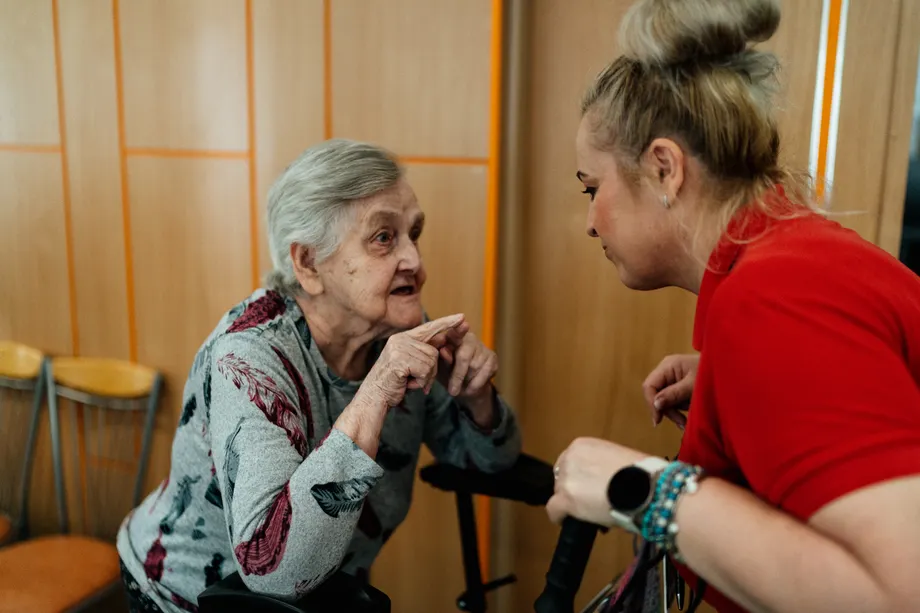
People often assume caregiving is mostly tasks. It is more accurate to say the tasks are the reason to be there, and that most of the value happens around them.
Morning
The first visit of the day is usually the longest — helping somebody start well tends to set the tone for everything after it. Breakfast, medication reminders where that is part of the agreed plan, a look at what the day holds, and a note of anything that seems different from yesterday.
Midday
Shorter calls: lunch, a bit of the house, a walk if the weather allows. This is where knowing somebody pays off. You notice that they have not mentioned their neighbour in a fortnight, or that the post has piled up, and you say something.
Afternoon
Often the companionship hours. On a good afternoon this looks like very little happening at all — the radio on, a job in the garden, somebody telling a story they have told before and telling it well.
Before leaving
Every visit ends with notes, because the next caregiver, the office and the family all rely on them. Anything that needs attention gets passed on the same day rather than saved for a review.
The honest summary is that it is ordinary work done carefully, and the ordinariness is the point. Nobody wants their home to feel like a ward.